
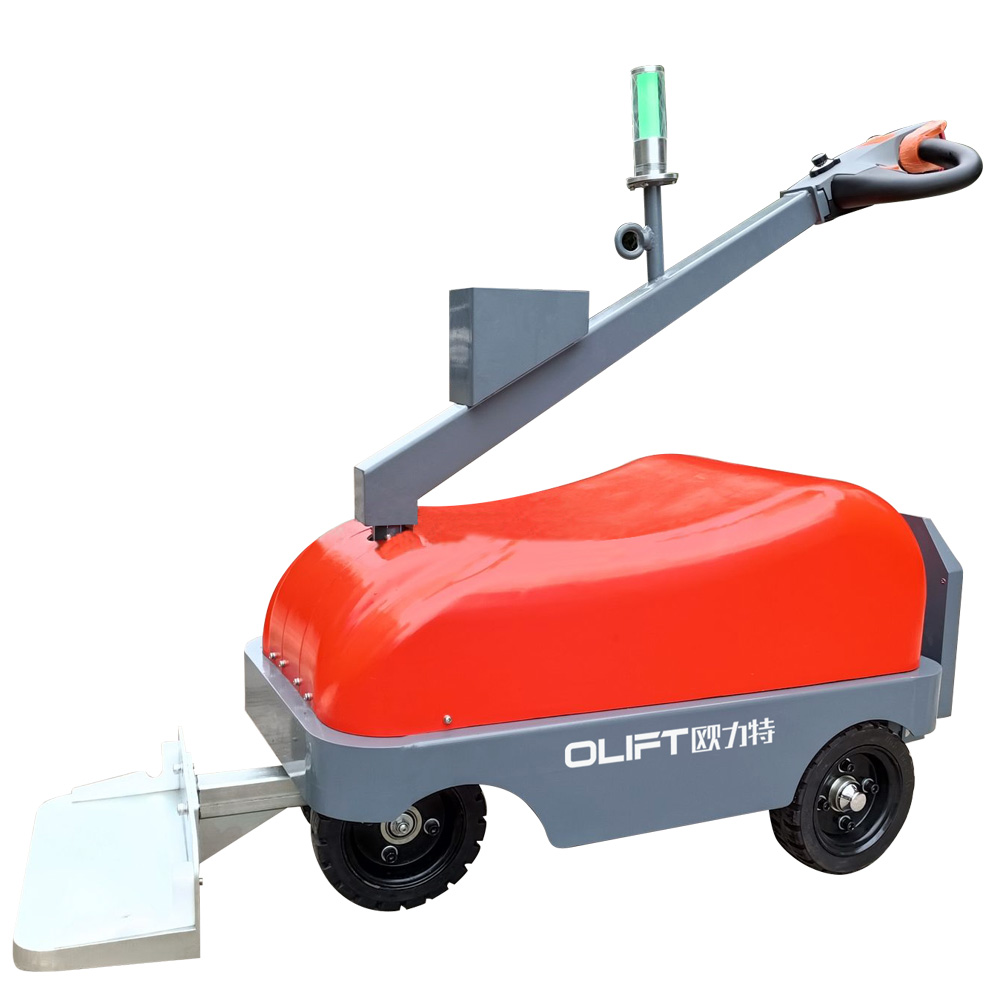
- Improve Operational Efficiency
Airport tractors enable flexible and fast aircraft pushback, towing and positioning on the apron. They are not limited by runway occupancy or aircraft engine conditions, effectively shortening aircraft turnaround time and improving overall airport operational efficiency and flight punctuality. - Cut Fuel and Maintenance Costs
Tractors replace aircraft engine taxiing on the ground, greatly reducing the consumption of expensive aviation fuel. They also decrease frequent engine start-and-run wear, extend engine service life and lower long-term aircraft maintenance costs. - Reduce Noise and Emissions
Compared with running aircraft engines, airport tractors produce far less noise and exhaust pollution. Electric tractors can achieve zero on-site emissions, supporting airports’ green and low-carbon operation and improving the surrounding ecological environment. - Improve Ground Operation Safety
Tractor towing avoids strong engine suction and jet airflow on the ground. It reduces FOD risks, equipment damage and staff injuries, standardizes apron operation order and greatly enhances ground handling safety. - Ensure Flexible and Stable Operation
Featuring compact structure and flexible steering, tractors adapt to narrow apron areas and dense parking bays. They work stably in rainy, snowy and foggy weather, and are universally applicable to most civil aircraft models. - Optimize Airport Resource Utilization
Efficient tractor scheduling reduces unnecessary runway and taxiway occupation. It optimizes ground resource allocation, facilitates unified ground management and supports standardized and large-scale airport operations.
Categories: